Pioneering Arizona
Film Production &
XR Virtual Storytelling
FOUNDED BY
DAVID MARGULIS
RESCUING CINEMATIC TIME CAPSULES
OF UNIQUE CIVIC LEGACIES
OUR CURRENT PROJECT:
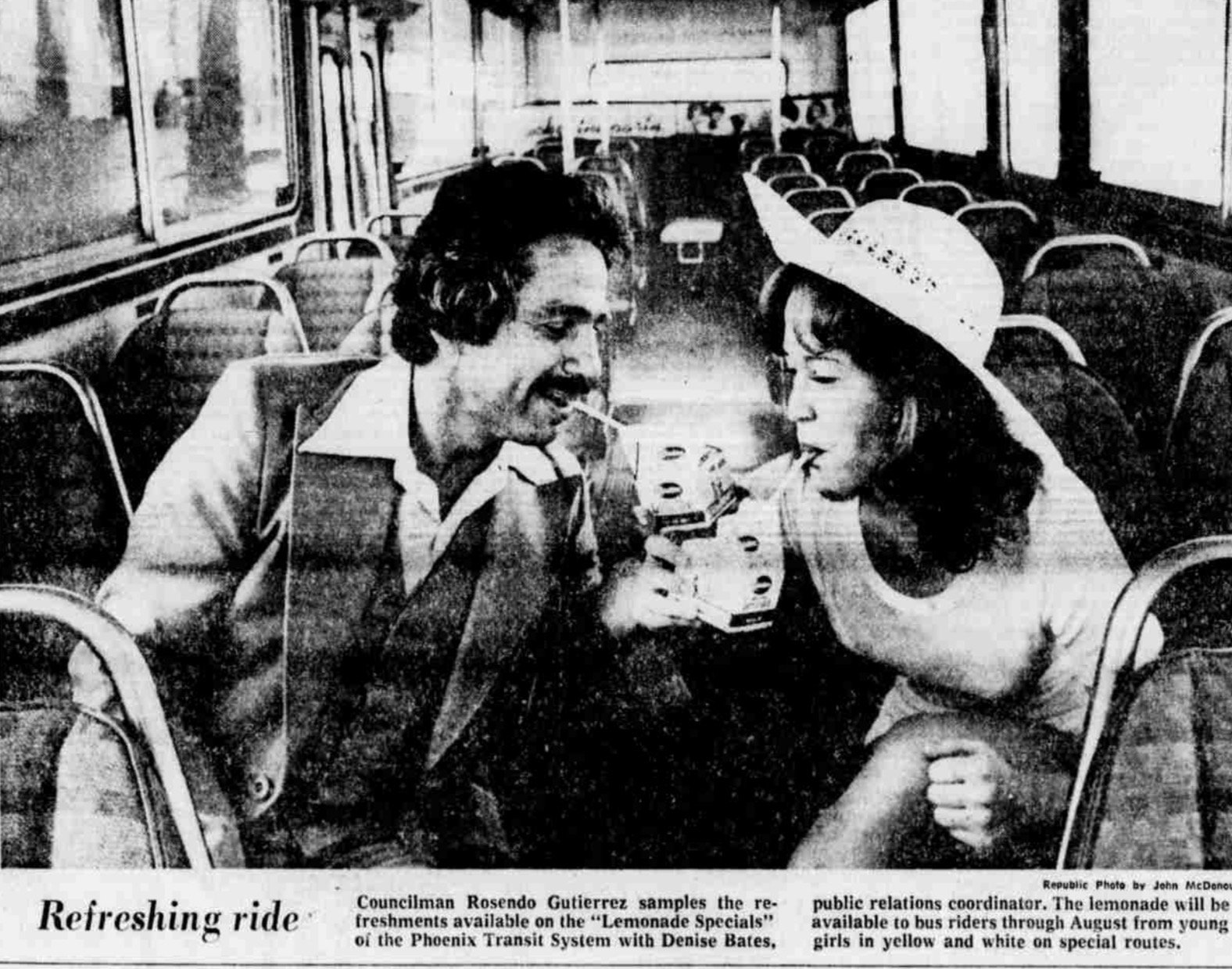
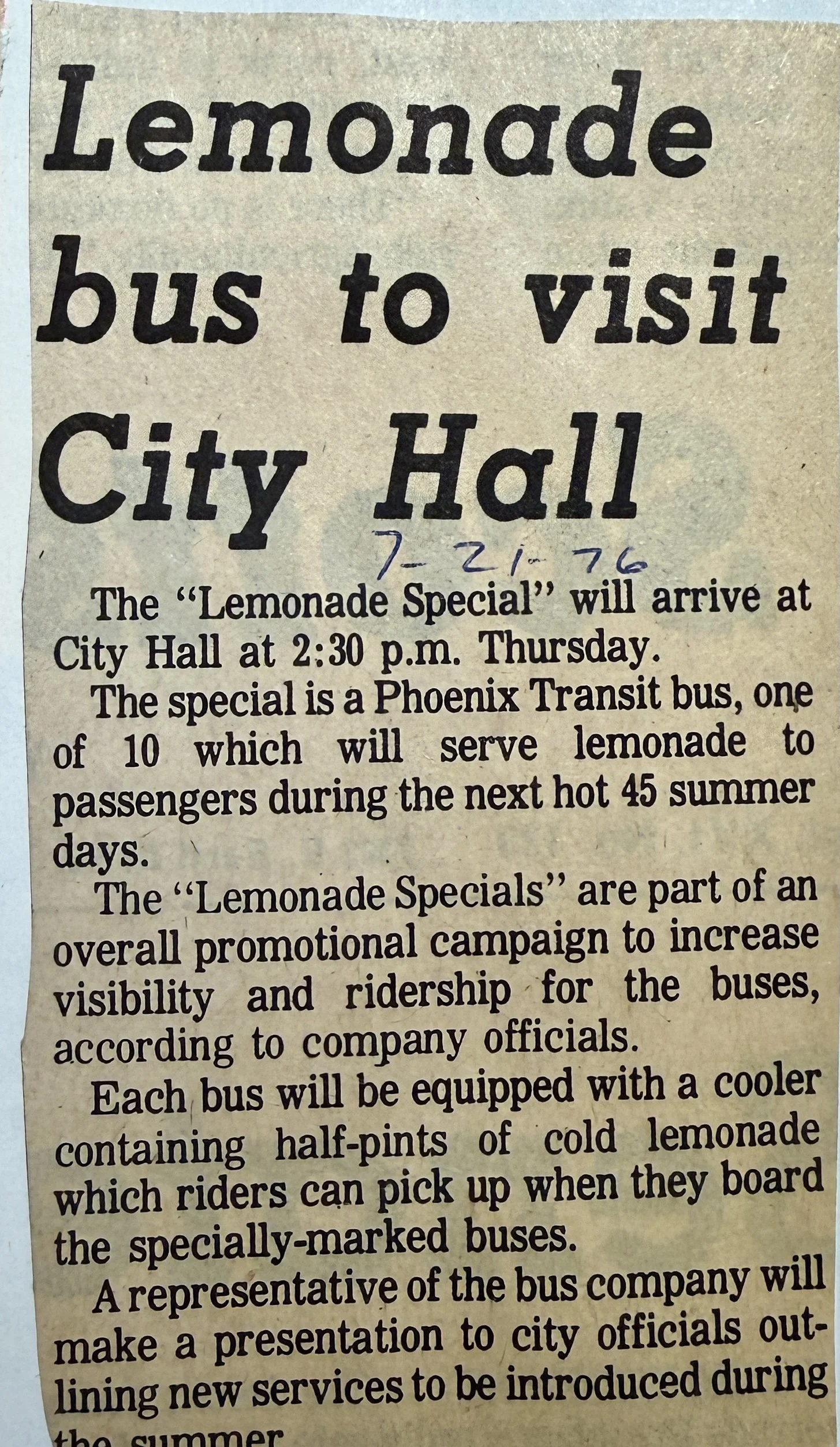
1976 LEMONADE SPECIALS
From Trolley Embers to Boiling Buses
An interactive deep dive into the collapse of Phoenix public transit, the suspiciously fatal 1947 car barn fire, the combustible bus crisis of 1975, and the surreal "Lemonade Special" campaign.
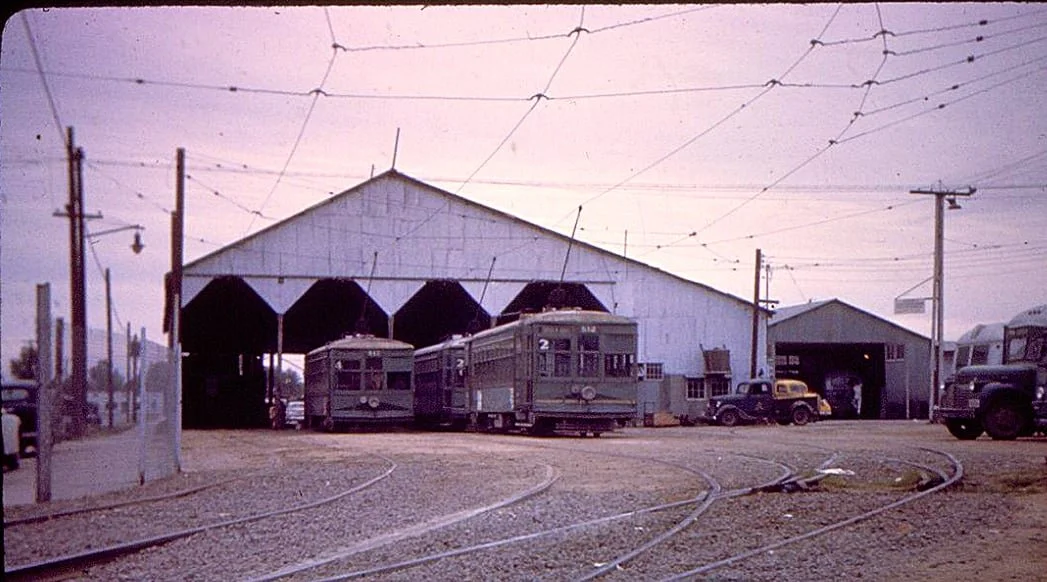
The Catalyst: The 1947 Tin Box Fire
This section explores the pivotal moment that changed Phoenix's urban trajectory. Before 1947, Phoenix was a compact city served by a robust electric streetcar system. The devastating "Tin Box" car barn fire wiped out the fleet overnight, forcing a hasty transition to diesel buses. Click through the "Evidence Board" below to uncover the suspicious circumstances surrounding the fire and its role in accelerating urban sprawl.
The Evidence Board
On October 4, 1947, a massive fire ripped through the Phoenix Street Railway car barn. Click the pinned documents below to review the historical anomalies.
Exhibit A: Fire Marshal Report
October 6, 1947
Exhibit B: The GM Connection
Contextual History
Exhibit C: Zoning Board Pivot
1948-1952
"The 'Accident' That Built the Sprawl"
The parallels to the National City Lines conspiracy are impossible to ignore. Phoenix was primed for high-density, rail-oriented development. The complete destruction of the fleet forced the city's hand.
The long-term effect wasn't just a change in vehicles; it was a fundamental shift in urban zoning. The fire was the death knell of compact Phoenix. Everything that makes Phoenix transit a nightmare today—the heat islands, the impossibly long routes, the low density—stems directly from the ashes of 1947.
The Crisis: The Boiling Point Simulator
By 1974, the bus-only system was collapsing. To combat plummeting ridership, the city retrofitted aging 1950s GMC "fishbowl" buses with massive, heavy-duty Air Conditioning units. Use the interactive simulator below to understand the catastrophic thermodynamic results of this decision. Adjust the summer temperature to see how the parasitic load of the AC units strained the engines, leading to the infamous bus fires of 1975-76.
Summer Temperature Dial
Drag the slider to simulate Phoenix summer heat and observe the strain on the retrofitted 1950s engines.
⚠ CRITICAL OVERHEATING
Parasitic AC load exceeding engine capacity. Combustible fluid ignition imminent.
Simulated fleet integrity based on historical breakdown rates per temperature threshold (Summer 1975).
The PR Spin: The 1976 Lemonade Special
Faced with a fleet that was literally melting down, the city's response was incredibly unorthodox. Rather than grounding the dangerous vehicles, they launched the "Lemonade Special." Young women were hired to ride along and serve cold drinks to placate furious, sweltering passengers. Search and filter through our reconstructed roster below to explore the human toll of this bizarre municipal PR campaign.
The Roster Database
Search by name, role, or outcome (e.g., 'Heat Exhaustion', 'Driver').
| Name | Role | Route Assigned | Recorded Outcome / Aftermath |
|---|
The Lemonade Special is one of the most dystopian PR campaigns in municipal history. Instead of grounding a dangerous fleet, they hired young, mostly college-aged women—paying them minimum wage—to act as human shields against public fury.
They were trapped in 110-degree metal tubes that frequently caught fire, tasked with placating angry commuters with sugary drinks. It was a masterclass in shifting liability and using performative hospitality to mask severe infrastructural decay.
The Aftermath: The $22 Million Bailout
The bizarre summer of '76 and the optics of burning buses finally forced the hands of the federal government. This section outlines the $22 million public transit bailout that saved the system. Review the cards below to see how emergency funds were allocated to replace the dangerous fleet and establish the foundation for modern regional transit management.
Emergency Federal Injection
By late 1976, the Urban Mass Transportation Administration (UMTA) intervened, authorizing an emergency $22 Million bailout package (equivalent to over $115M today) to completely overhaul the failing infrastructure.
Fleet Replacement
Immediate scrapping of the retrofitted, fire-prone GMC units. Purchase of 120 new Flxible Advanced Design Buses with built-in, non-parasitic climate control.
Management Shift
The city moved away from neglectful private management contracts, bringing operations under municipal control, leading to the creation of the RPTA (Valley Metro).
Facility Overhaul
Construction of dedicated, shaded maintenance facilities to prevent equipment from cooking in the sun before ever hitting the road.
THE RELENTLESS PURSUIT FOR VERACITY OF TRUTH CONTINUES: SHARE YOUR STORY & REACH OUT TO THE STUDIOWe’re New Dawn Productions — a veteran-owned independent film studio in Arizona specializing in high-end XR virtual production, 4K aerial cinematography, and historical preservation. If your story carries urgency, honesty, and the grit of pursuit, we want to hear it!What we’re looking for: Narrative shorts and feature concepts that explore obsession, pursuit, redemption, OR moral complexity.Documentary proposals focused on individuals, communities, or events driven by relentless pursuit — whether for justice, memory, innovation, survival, OR FOR TRUTH OF RECORD.Archival or preservation projects that rescue endangered histories tied to perseverance, resilience, or ongoing quests for recognition.Projects that can benefit from XR virtual production, aerial cinematography, or hybrid documentary/narrative approaches.How to reach out Please include:Project title and genre.One-paragraph logline.One-page synopsis.Filmmaker(s) bio(s) and relevant credits.Estimated budget range and preferred format (short, feature, doc).Any archival or production resources you already have.How New Dawn Productions can best support the project (XR, aerial, archival preservation, production partnership).Contact detailsStudio: New Dawn Productions LLCLocation: Arizona (we primarily produce at the ASU MIX Center for XR work)Preferred submission format: PDF or docx (single file), under 12 MB.Response time: We review submissions periodically; expect an initial reply within 2–4 weeks.Notes and rightsSubmissions should be original. Do not send materials under active production with other companies without disclosing status.By submitting, you grant us permission to review your materials. We will not claim ownership of your intellectual property through this submission.Accessibility and support If you need alternate formats or assistance submitting materials, tell us in your message and we’ll accommodate.Share your STORY ABOUT THE PURSUIT AND We’ll bring the craft, the technology, and the commitment to help your vision reach the screen.
*
THE RELENTLESS PURSUIT FOR VERACITY OF TRUTH CONTINUES: SHARE YOUR STORY & REACH OUT TO THE STUDIOWe’re New Dawn Productions — a veteran-owned independent film studio in Arizona specializing in high-end XR virtual production, 4K aerial cinematography, and historical preservation. If your story carries urgency, honesty, and the grit of pursuit, we want to hear it!What we’re looking for: Narrative shorts and feature concepts that explore obsession, pursuit, redemption, OR moral complexity.Documentary proposals focused on individuals, communities, or events driven by relentless pursuit — whether for justice, memory, innovation, survival, OR FOR TRUTH OF RECORD.Archival or preservation projects that rescue endangered histories tied to perseverance, resilience, or ongoing quests for recognition.Projects that can benefit from XR virtual production, aerial cinematography, or hybrid documentary/narrative approaches.How to reach out Please include:Project title and genre.One-paragraph logline.One-page synopsis.Filmmaker(s) bio(s) and relevant credits.Estimated budget range and preferred format (short, feature, doc).Any archival or production resources you already have.How New Dawn Productions can best support the project (XR, aerial, archival preservation, production partnership).Contact detailsStudio: New Dawn Productions LLCLocation: Arizona (we primarily produce at the ASU MIX Center for XR work)Preferred submission format: PDF or docx (single file), under 12 MB.Response time: We review submissions periodically; expect an initial reply within 2–4 weeks.Notes and rightsSubmissions should be original. Do not send materials under active production with other companies without disclosing status.By submitting, you grant us permission to review your materials. We will not claim ownership of your intellectual property through this submission.Accessibility and support If you need alternate formats or assistance submitting materials, tell us in your message and we’ll accommodate.Share your STORY ABOUT THE PURSUIT AND We’ll bring the craft, the technology, and the commitment to help your vision reach the screen. *
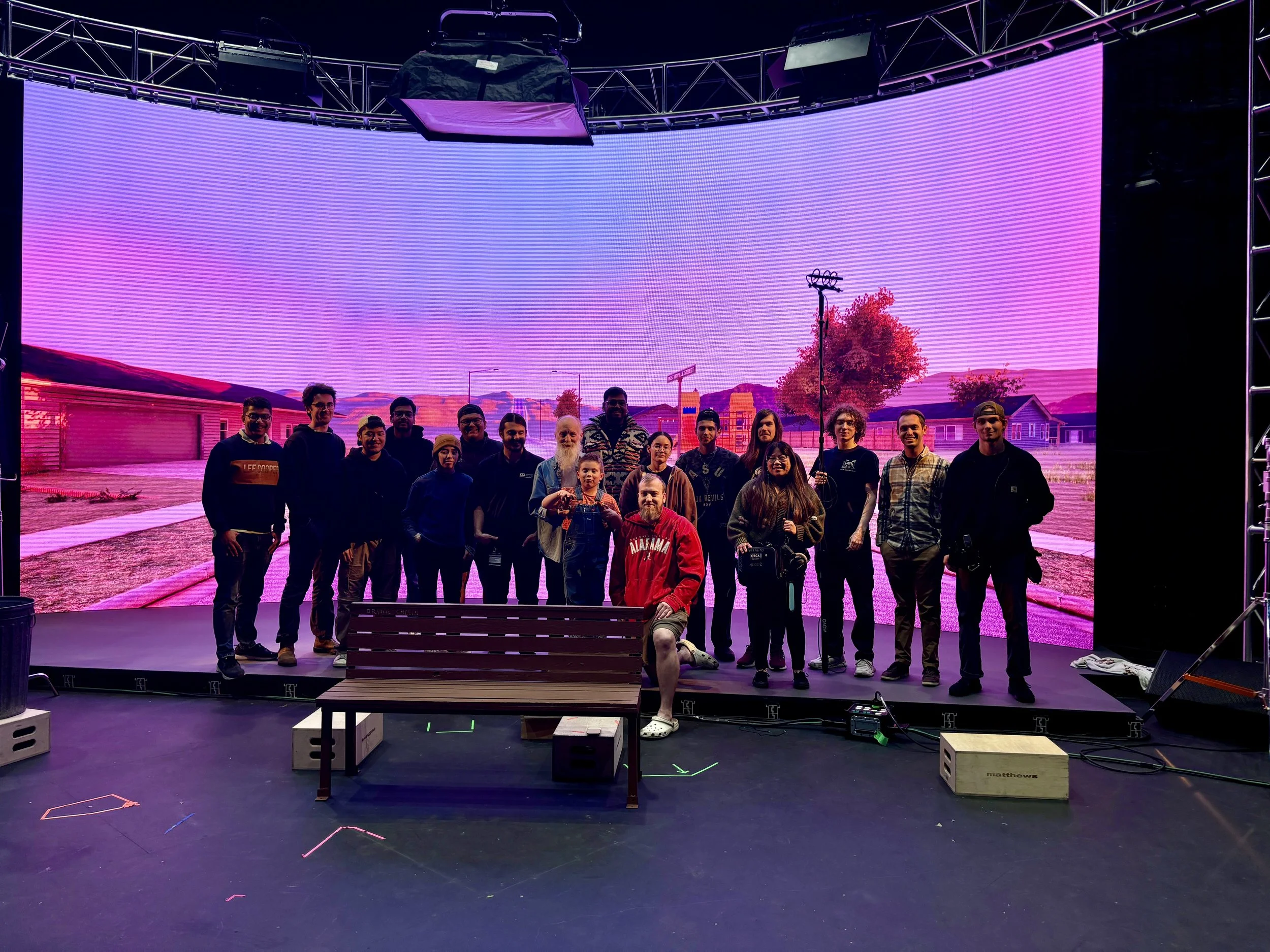
The Mission: At New Dawn Productions LLC, we are building a cinematic time capsule. We are currently in production on The Lemonade Special of 1976, a feature-length documentary chronicling the chaotic history of Valley transit—from the devastating 1947 "tin box" fire that wiped out the streetcars, to the massive $22 million municipal bailout and the brightly colored "Lemonade Special" bus campaign of the 1970s.
We are actively hunting for survivors, next of kin, historians, transit experts, and anyone who lived through this era and wants to be in the film as it unfolds.
Whether you are a local resident who remembers the sweltering commutes, or a celebrity who grew up riding the Phoenix and Scottsdale trolleys and buses and wants to share your experience on film, we want to hear your story.
What We Are Hunting For: To help us reconstruct this forgotten era, we are looking for the following historical assets, donations, and collaborations:
Film & Video: Super 8 or 16mm reels of the bright citrus yellow transit buses navigating Valley traffic.
Photographs: Personal snapshots featuring the "Tico" sun mascot, the 1947 streetcars, or bustling transit hubs like Central & Washington, Uptown (Camelback & Central), and the Old Car Barn.
Audio: Vintage KDKB radio bumpers, local 1970s news clips, or bus engine recordings from the era.
Artifacts & Ephemera: Original uniform patches, "Love-A-Fare" promotional buttons, transit tokens, or vintage pamphlets like "30 Easy Ways to Get Around Phoenix".
Oral Histories: Firsthand memories from 1970s bus drivers, mechanics, or the sweaty commuters who actually drank the iced lemonade.
Future Projects: Do you have a tip on another untold story of Arizona History, Legends, and Lore? We want to hear about it for our next true-story film!
Submit Your Story / Contact Form:(Please fill out the form below to describe your historical items, share your memories, or inquire about a partnership or interview).
Our
brand vision
Our mission is to rescue authentic lived experiences from the fog of the past and project them into the future using the most advanced storytelling technology available today SUCH AS THE ASU MIX CENTER IN MESA, AZ.
Based in the heart of the Arizona desert, we are an independent production house dedicated to narrative precision, historical integrity, and high-impact visual artistry.
The Relentless PURSUIT AND VERACITY OF TRUTH TO CREATE A CINEMATIC TIME CAPSULE for Untold History ABOUT CIVIC LEGACY.
We believe that every street corner in Phoenix, every decommissioned bus in a scrapyard, and every grainy 1970s broadcast tape holds a ghost of a story waiting to be told. New Dawn Productions LLC blends veteran-owned discipline with cutting-edge Extended Reality (XR) technology to rescue untold history and project narrative excellence. Our "Indomitable" approach is honed from 8+ years of active-duty military service in the U.S. Air Force, which ensures that we never stop chasing the narrative, even when the trail goes cold.
Forging the Future of Narrative History New Dawn Productions LLC sits at the unique intersection of cinematic preservation and cutting-edge technological innovation. We do not just produce content; we develop high-value Intellectual Property (IP) that serves as a bridge between the authentic lived experiences of the past and the digital frontiers of the future. Whether we are recreating the sci-fi landscapes of a futuristic Phoenix or meticulously reconstructing the transit politics of 1976, New Dawn Productions serves as the bridge between history and the screen.
Scottsdale Historical Archives
The Drinkwater Prank
Reconstruct the legend of the Model A Ford and explore the civic history of "The West's Most Western Town" during the turbulent 1970s.
The Legend in Context
Scottsdale's iconic Mayor, Herb Drinkwater, was known for his approachable demeanor, signature bolo ties, and deep dedication to his community. He was a lifetime member of the Scottsdale Jaycees and a chairman of the Parada del Sol Rodeo—organizations dedicated to preserving Scottsdale's identity as "The West's Most Western Town."
However, his affable nature made him the perfect target for a legendary practical joke. While the Mayor was out of town on vacation, a dedicated group of friends and staff executed an audacious plan: they completely disassembled his prized antique Model A Ford, transported the pieces into City Hall, and painstakingly reassembled the entire vehicle right in the middle of his executive office.
Your Objective
Step into the shoes of the pranksters. To understand the sheer effort required to pull this off, you must physically disassemble the Model A from the garage (left) and rebuild it over the blueprint in the Mayor's Office (right).
As you successfully place each part, you will unlock archival facts detailing what life, transit, and culture were really like in the Valley during this era.
Assembly Status
Archival Logbook
The Valley in the 1970s: Two Different Worlds
Scottsdale: Preserving the West
While the story of the Model A prank is lighthearted, it perfectly encapsulates Scottsdale's specific cultural priorities during the 1970s and 80s. Incorporated in 1951, the city fought hard to maintain its distinct, intimate "Western Town" identity.
Civic leaders, including Herb Drinkwater and the Scottsdale Jaycees, prioritized community events, equestrian heritage (like the Parada del Sol), and strict zoning to prevent the city from simply becoming another generic, paved-over suburb. A vintage car in the Mayor's office wasn't just a prank; it was a symbol of the town's reverence for the past.
Phoenix: The Infrastructure Crisis
Just a few miles west, Phoenix was experiencing a massive infrastructural trauma. The unchecked urban sprawl that began after the 1947 streetcar fire had caught up with the metropolis. By the mid-1970s, the transit system was collapsing, featuring aging, un-air-conditioned diesel buses that frequently broke down in 115-degree heat.
This crisis forced the controversial $22 Million transit bailout of 1976. To win back a car-obsessed public, the city launched the "Lemonade Special"—painting buses bright yellow and serving iced drinks to sweaty commuters. The contrast is striking: while Phoenix was executing desperate PR stunts to save its modern infrastructure, Scottsdale was playing pranks with antique cars.

![NEW DAWN PRODUCTIONS LLC [AZ] YOUTUBE LANDING PAGE](https://images.squarespace-cdn.com/content/v1/69b8c77a1ed6d530a7485fde/1774088694145-A2WQ9YWTSWHAG65GWYII/unsplash-image--HbriyA8_zc.jpg)